
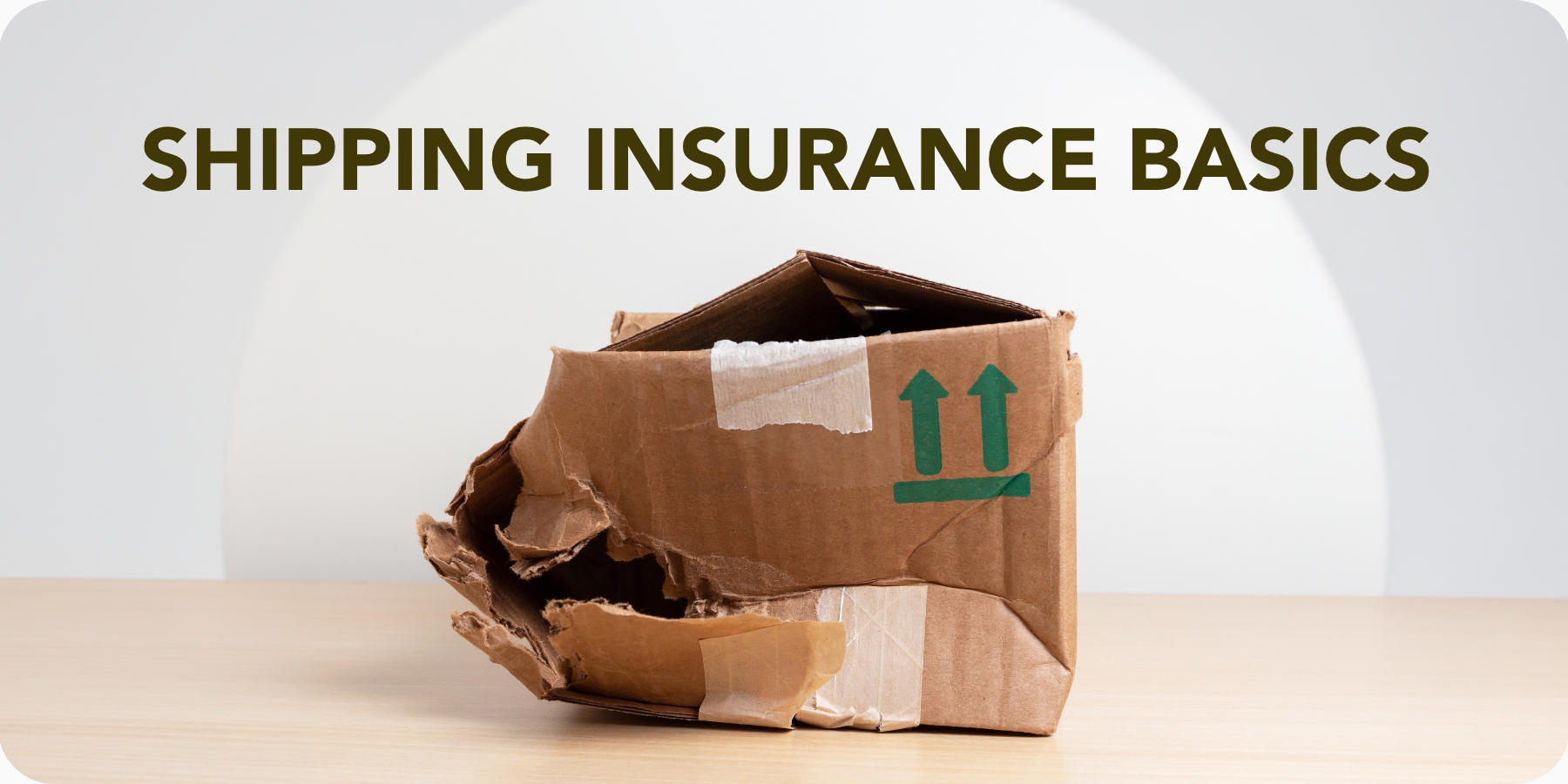
In the world of logistics, where end results are the be-all, end-all of the industry, preparing for any result is a necessity. To that end, any seasoned business owner knows that insurance is an imperative part of their operational toolset. While most focus on general liability or property insurance, shipping insurance is one of the most overlooked tools in the logistics chain, despite the critical role it plays in protecting a company's bottom line.
Even when you ship with the industry’s most reputable carriers, occasional problems may arise unexpectedly during the journey. Without proper preparations, these mishaps can have a negative effect on your profit margins and customer trust. The global cargo transportation insurance market was valued at $59bn USD in 2025, proving that for many, it is a non-negotiable cost of doing business.
But is it always necessary? Let’s explore the fundamentals of shipping insurance, what it covers, and how to decide when it is a worthwhile investment for your business.
What is Shipping Insurance?
At its core, shipping insurance is a service that protects shippers against potential financial losses due to goods being damaged, lost, or stolen while in transit. It acts as a safety net, ensuring that if a shipment never reaches its destination or arrives in unsalable condition, the business is not left to bear the entire financial burden alone.
Coverage vs. Carrier Liability
It is a common misconception that all shipments are automatically fully covered by the carrier. While most goods can be covered by insurance offered directly through a carrier, this coverage often falls short. Carrier liability is frequently limited by weight or commodity type and may not fully cover the cost of high-value items. This is why many businesses turn to third-party insurance providers to provide comprehensive coverage and additional security.
Top Reasons Why Shipping Insurance is Essential
Understanding the benefits of shipping insurance helps move it from a maybe to a must-have in your fulfillment strategy.
1. Enhanced Shipment Security
The shipping process is full of variables and uncertainties. Despite centuries of progress in the industry, it remains possible for goods to be lost, damaged, or stolen. Whether it's a misplaced parcel or a pallet damaged during an LTL (Less-than-Truckload) transfer, insurance ensures that these incidents do not turn into permanent financial setbacks.
2. Confidence in Business Growth
Expanding your business, whether domestically or internationally, is a massive step. However, the prospect of handling lost or damaged international shipments can cause some business owners to hesitate for fear of hurting their margins.
Shipping insurance providers often offer protection that covers cross-border and international shipments. This gives you the peace of mind to confidently expand your business outside your own borders, knowing that potential incidents will not result in significant financial losses.
3. Protecting Your Brand Reputation
Whether you are shipping pallets B2B or offering white glove delivery on high-ticket items, the condition in which your goods arrive is a direct reflection of your business.
- Trust and Reliability: A strong brand is built on these two pillars.
- Conflict Resolution: When a shipment goes wrong, how you handle the fallout is an extension of your brand identity.
- Customer Loyalty: Investing in insurance allows you to quickly address and rectify issues, turning a potential negative experience into a positive one that encourages repeat business.
4. Peace of Mind
Knowing that your shipments are protected from unforeseen events allows you to spend less time worrying about the uncontrollable and more time focusing on other areas of your business. This invisible benefit is invaluable for maintaining operational efficiency and personal sanity.
.jpg?width=1536&height=2752&name=unnamed-(7).jpg)
When is Shipping Insurance Worth It?
Deciding whether to add insurance to a shipment involves evaluating your specific needs and risk tolerance. Consider the following factors:
Item Value: If the cost to replace the item exceeds what you are willing to lose out-of-pocket, insurance is essential. High-value goods often exceed standard carrier liability limits.
Shipping Volume: Small and medium-sized businesses may find that even a few lost shipments can significantly impact their yearly profitability.
Destination Risk: Assess the level of risk associated with specific shipping routes, especially for international transit where more touchpoints increase the chance of incident.
Product Fragility: Items prone to damage during transit should almost always be insured.
How to Implement Insurance into Your Strategy
Integrating insurance doesn't have to be a manual, tedious process.
Evaluate Your Needs: Determine the average value of your shipments and where they are going.
Choose the Right Provider: Look for comprehensive coverage tailored to your specific needs, comparing carrier-provided options with third-party providers.
Integrate with Your Platform: Use a shipping platform that allows you to manage insurance for all your shipments easily.
Communicate with Your Clients: Transparency builds trust. Informing customers that their shipments are protected reassures them that their purchase is safe.
Ensure Your Shipping is World-Class with Freightcom
Shipping insurance is a crucial way to keep your peace of mind intact while your shipments are in transit. For peace of mind during every part of the shipping experience, though, Freightcom is here for you.
We partner with North America’s leading LTL and parcel carriers to offer you better rates in real time, with zero upfront or monthly fees. Our platform offers additional third-party insurance on all your shipments to provide that extra layer of security your business deserves.


.png?width=250&height=58&name=MicrosoftTeams-image%20(28).png "Freightcom")


